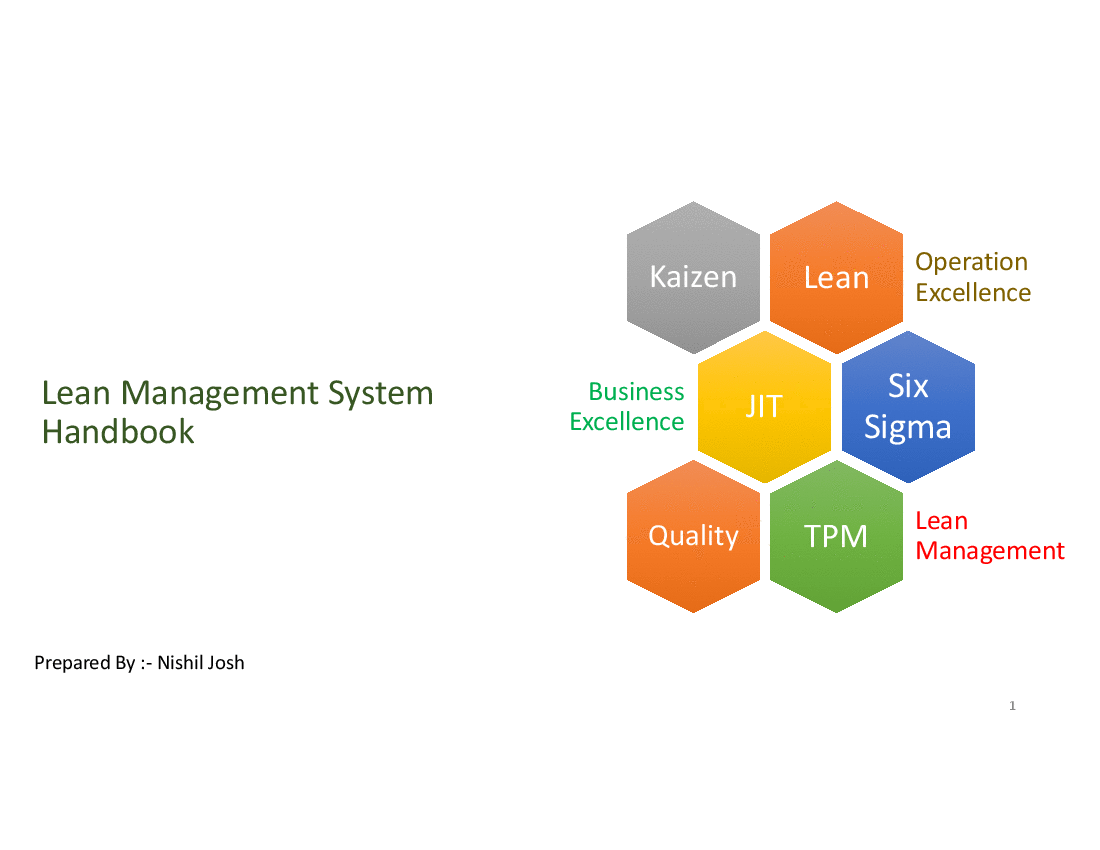

The presentation explains how managers at all levels of the organization can integrate Lean into their daily management activities.
It defines the Lean philosophy, as well as the beliefs and behaviors required to develop a thriving Lean company culture.
Got a question about the product? Email us at support@flevy.com or ask the author directly by using the "Ask the Author a Question" form. If you cannot view the preview above this document description, go here to view the large preview instead.
Executive Summary
The Lean Management Systems Handbook is a comprehensive guide designed to empower organizations in their pursuit of operational excellence through Lean principles. This presentation outlines the essential components of Lean management, emphasizing continuous improvement, waste elimination, and the integration of Lean philosophy into daily operations. It serves as a vital resource for managers at all levels, equipping them with the tools and methodologies necessary to foster a thriving Lean culture and achieve sustainable performance improvements.
Who This Is For and When to Use
• Operations Managers seeking to enhance productivity and efficiency
• Continuous Improvement Leaders focused on implementing Lean methodologies
• Quality Assurance Teams aiming to reduce defects and improve product quality
• Training and Development Professionals responsible for employee skill enhancement
Best-fit moments to use this deck:
• During Lean training workshops to educate teams on Lean principles
• When initiating a Kaizen event to drive immediate improvements
• For strategic planning sessions focused on integrating Lean practices into existing processes
Learning Objectives
• Define Lean management principles and their application in daily operations
• Build a culture of continuous improvement through effective change management
• Establish metrics for measuring performance and identifying waste
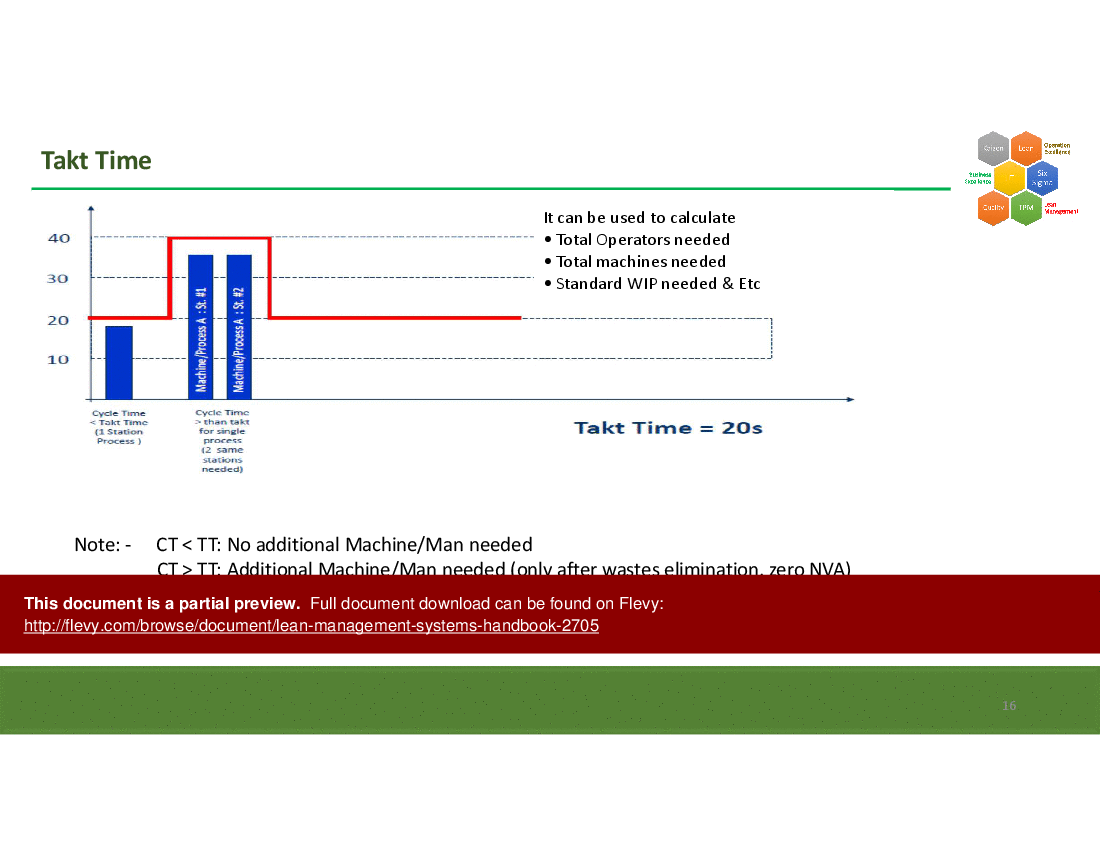
• Implement Takt Time calculations to align production with customer demand
• Develop Standard Work and Standard Work Combination Sheets for operational consistency
• Foster a Zero Defect mindset to enhance product quality
Table of Contents
• Lean Manufacturing (page 4)
• Goal of Kaizen Workshop (page 6)
• Standard Work & Standard Work Combination Sheet (page 7)
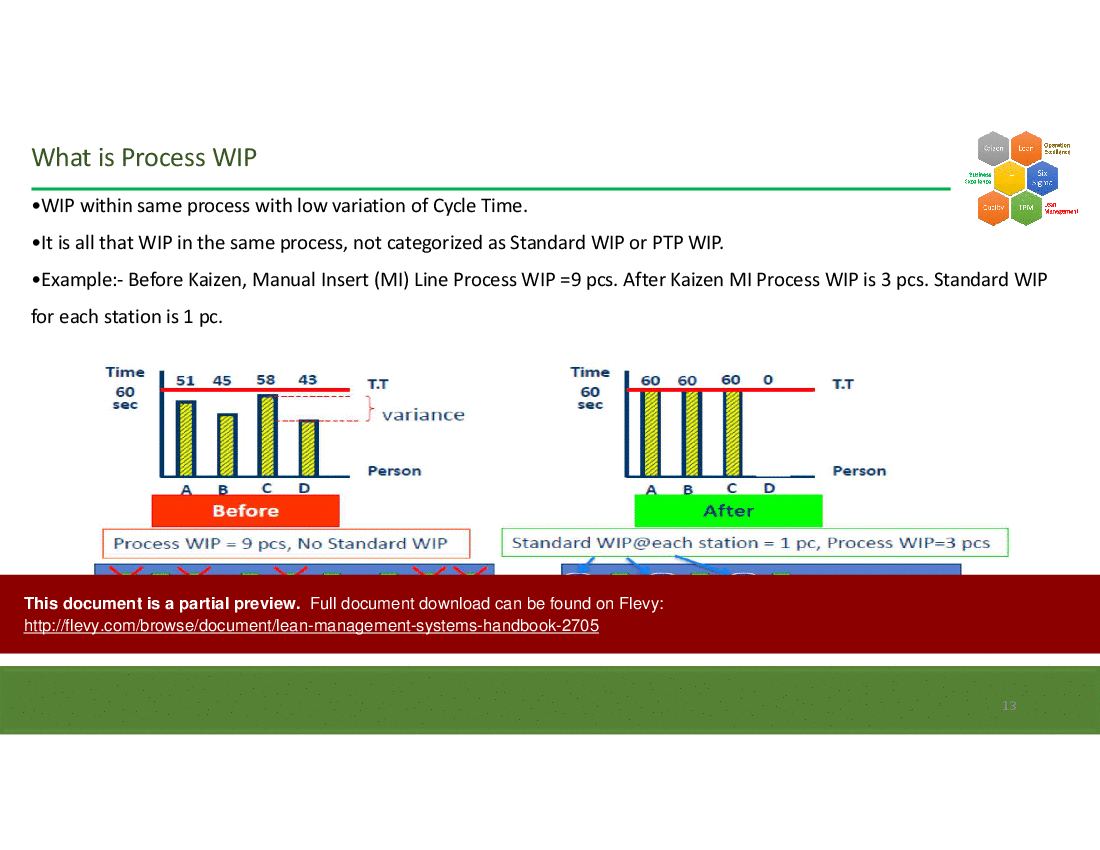
• Types of WIP (page 11)
• Takt Time Calculation (page 9)
• Zero Defect (page 24)
• One Piece Flow (page 27)
• Value Stream Mapping (VSM) (page 28)
• The Kaizen Culture (page 50)
• Steps for Continuous Improvement (page 48)
Primary Topics Covered
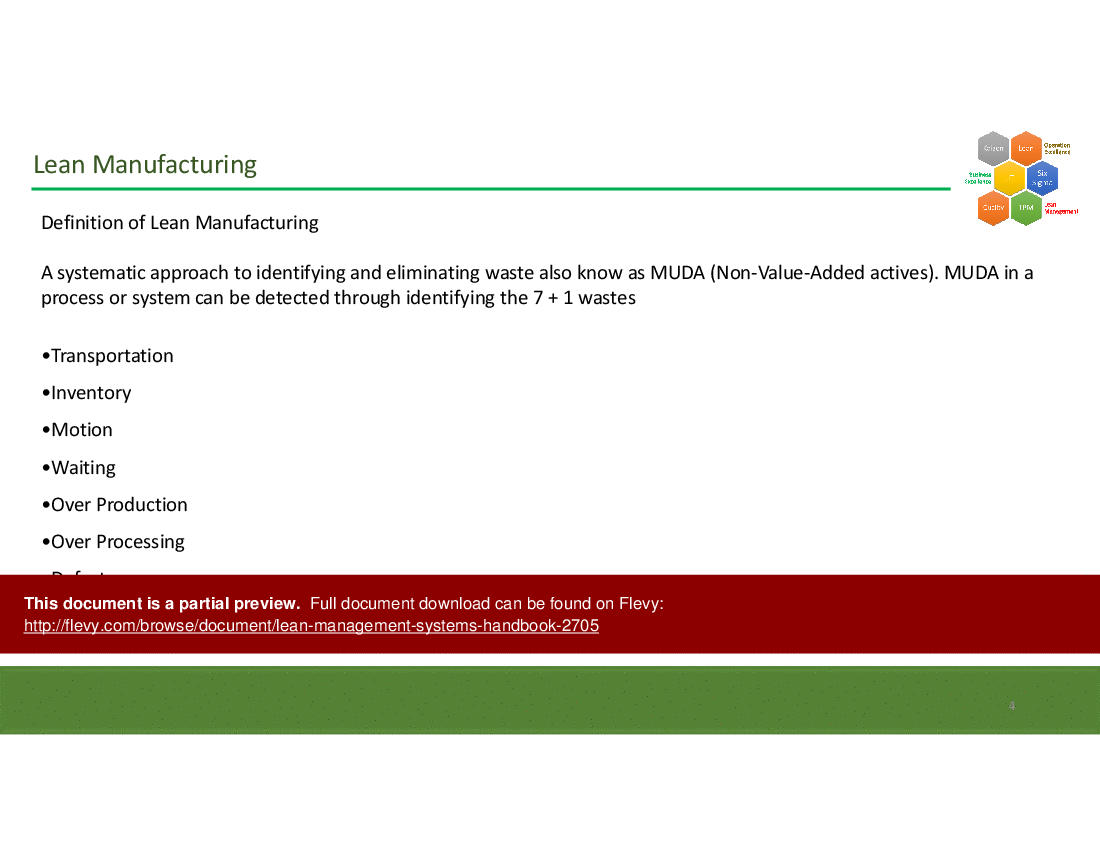
• Lean Manufacturing - A systematic approach to identifying and eliminating waste (Muda) through the application of Lean principles.
• Kaizen Workshop Goals - Objectives aimed at doubling productivity, halving defects, and optimizing lead times through continuous improvement initiatives.
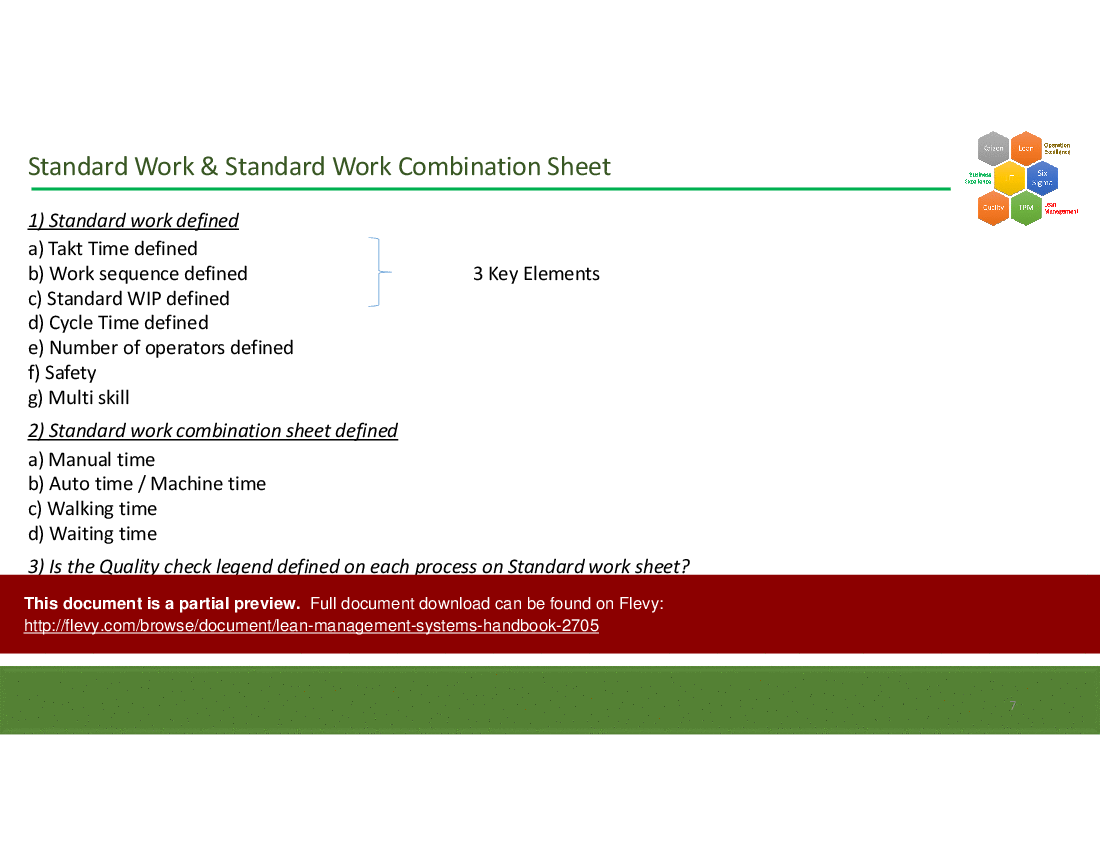
• Standard Work - Defined processes that ensure consistency and quality in operations, including Takt Time and Work Sequence.
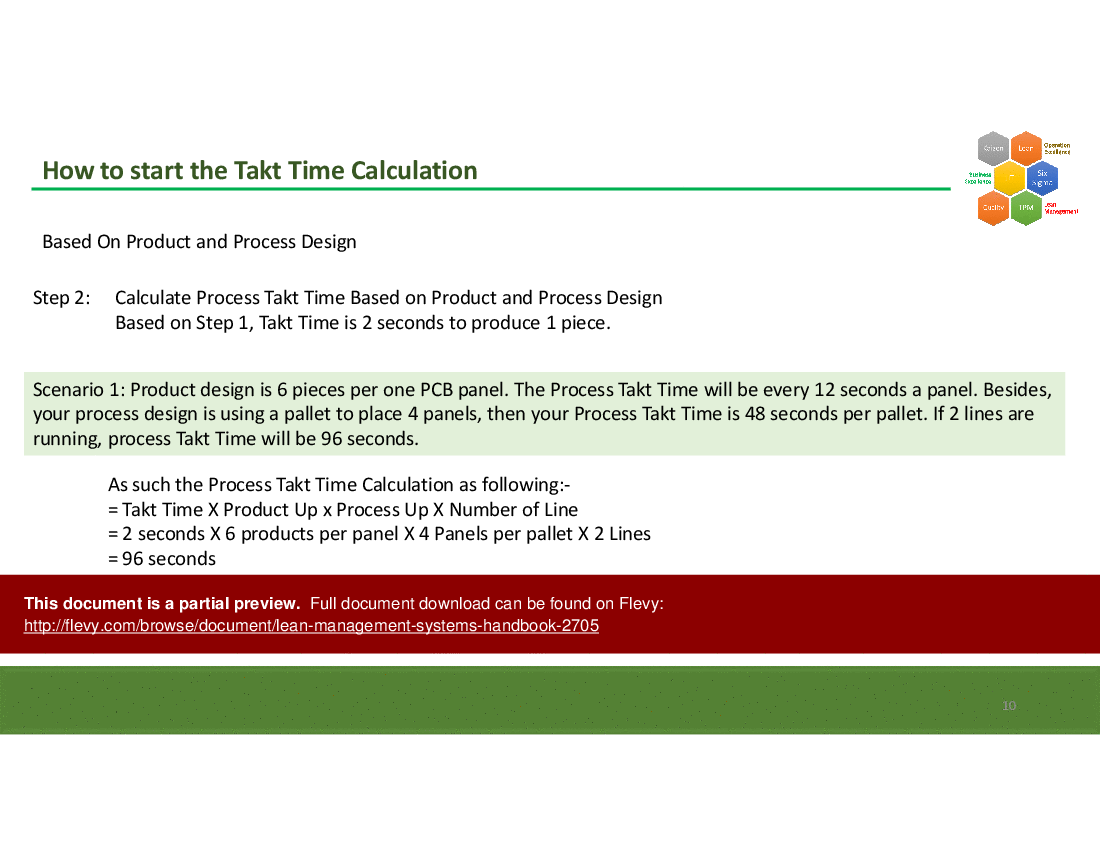
• Takt Time Calculation - A method for aligning production rates with customer demand to optimize workflow and reduce bottlenecks.
• Zero Defect Philosophy - Strategies to prevent defects from reaching customers, ensuring quality at every stage of production.
• One Piece Flow - A production strategy that focuses on processing one item at a time to enhance efficiency and reduce lead time.
Deliverables, Templates, and Tools
• Standard Work Combination Sheet template for documenting operational processes
• Takt Time calculation framework for aligning production with customer demand
• Value Stream Mapping tools for visualizing and improving production flow
• Kaizen event planning templates to facilitate continuous improvement initiatives
• Zero Defect tracking systems for monitoring quality metrics
Slide Highlights
• Overview of Lean Manufacturing principles and their impact on waste reduction
• Goals of the Kaizen Workshop emphasizing productivity and quality improvements
• Visual representation of Takt Time calculations and their significance in production planning
• Strategies for implementing Zero Defect initiatives across operations
• One Piece Flow advantages and its role in enhancing operational efficiency
Potential Workshop Agenda
Introduction to Lean Principles (60 minutes)
• Overview of Lean philosophy and its benefits
• Discussion on the role of waste elimination in operational excellence
Takt Time and Standard Work (90 minutes)
• Hands-on calculation of Takt Time based on customer demand
• Development of Standard Work documents for key processes
Kaizen Event Planning (60 minutes)
• Identifying areas for improvement and setting goals
• Creating action plans for immediate implementation
Customization Guidance
• Tailor the Takt Time calculations to reflect specific customer demand and operational capabilities
• Adjust Standard Work templates to align with unique organizational processes and safety requirements
• Incorporate company-specific metrics and KPIs into the Zero Defect tracking systems
Secondary Topics Covered
• Types of Work In Progress (WIP) and their implications for inventory management
• The role of Heijunka in leveling production and managing variability
• Kanban systems for effective inventory replenishment and workflow management
• Continuous Improvement methodologies and their application in daily operations
FAQ
What is Lean Manufacturing?
Lean Manufacturing is a systematic approach focused on identifying and eliminating waste (Muda) to improve efficiency and quality in production processes.
How can I calculate Takt Time?
Takt Time is calculated by dividing the available production time by customer demand. This ensures that production aligns with market needs.
What is the goal of a Kaizen Workshop?
The goal of a Kaizen Workshop is to identify opportunities for improvement, set measurable objectives, and implement changes that enhance productivity and quality.
What is Standard Work?
Standard Work is a documented process that defines the most efficient way to perform a task, ensuring consistency and quality across operations.
How does Zero Defect philosophy work?
The Zero Defect philosophy aims to prevent defects from occurring at any stage of production, ensuring that only quality products reach the customer.
What is One Piece Flow?
One Piece Flow is a production method that focuses on processing one item at a time, which reduces lead times and enhances visibility in the workflow.
How can I implement Lean practices in my organization?
Start by educating your teams on Lean principles, conducting assessments to identify waste, and establishing a culture of continuous improvement through regular Kaizen events.
What tools can assist in Lean implementation?
Tools such as Value Stream Mapping, Takt Time calculations, and Standard Work documents are essential for effectively implementing Lean practices.
Glossary
• Lean Manufacturing - A methodology focused on waste reduction and efficiency improvement.
• Kaizen - A continuous improvement process that seeks to enhance productivity and quality.
• Takt Time - The maximum allowable time to produce a product to meet customer demand.
• Standard Work - Documented procedures that ensure consistent performance of tasks.
• Zero Defect - A quality management philosophy aimed at eliminating defects in production.
• One Piece Flow - A production strategy that processes one item at a time to improve efficiency.
• WIP (Work In Progress) - Inventory that is in the production process, but not yet completed.
• Heijunka - A method for leveling production to reduce variability and improve flow.
• Kanban - A visual signaling system used to manage inventory and workflow.
• Value Stream Mapping (VSM) - A tool for visualizing and analyzing the flow of materials and information in a process.
• Continuous Improvement - Ongoing efforts to enhance products, services, or processes.
• Muda - Waste or non-value-added activities in a process.
• Genchi Genbutsu - The practice of going to the actual place to understand the situation.
• Poka-Yoke - Error-proofing techniques to prevent mistakes in the production process.
• Jidoka - Automation with a human touch, allowing machines to detect abnormalities.
• TPM (Total Productive Maintenance) - A maintenance approach focused on proactive and preventative maintenance to maximize equipment effectiveness.
• OEE (Overall Equipment Effectiveness) - A metric used to assess how effectively a manufacturing operation is utilized.
• 5S - A workplace organization method that uses a list of 5 Japanese words: Seiri, Seiton, Seiso, Seiketsu, and Shitsuke.
• Gemba - The real place where work is done, emphasizing the importance of observing processes in their actual environment.
• Andon - A visual management tool that indicates the status of a process or alerts to problems.
Source: Lean Management Systems Handbook PowerPoint (PPTX) Presentation Slide Deck, Nishil Josh
This document is available as part of the following discounted bundle(s):
Save %!
Lean Management Training Course
This bundle contains 6 total documents. See all the documents to the right.
|
Receive our FREE Primer on Lean Management
This 32-page presentation from Operational Excellence Consulting explains the Lean Management philosophy, based on the Toyota Production System (TPS). Learn to eliminate waste. |










